Ford Bet on AI to Fix Quality. It Ended Up Rehiring the Engineers With Gray Beards.
About 350 veteran engineers hired, promoted or brought back after automated systems fell short. The lesson isn't 'AI failed.' It's what AI can't learn from a spec sheet.


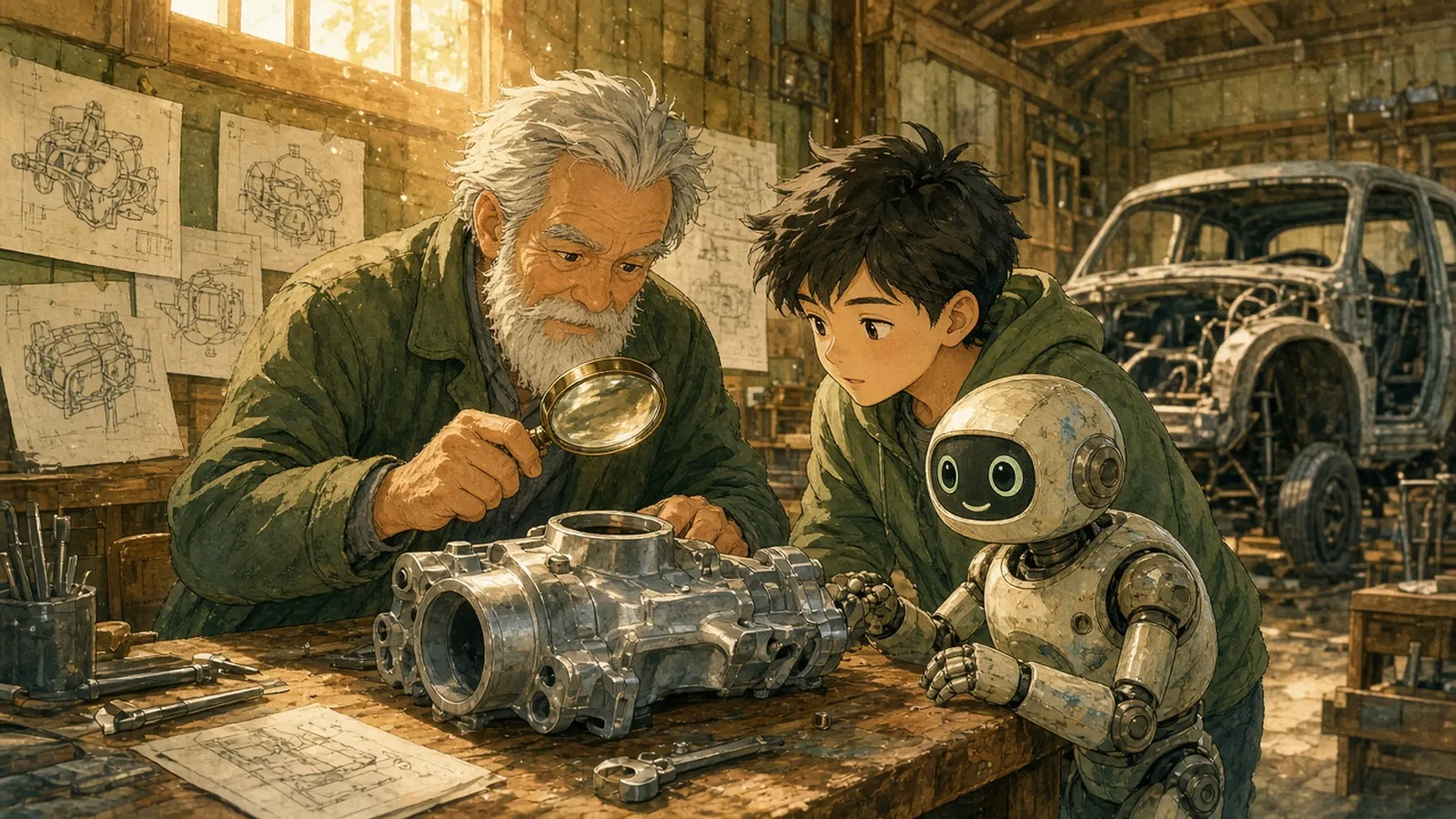
"Mistakenly, we thought that by just introducing artificial intelligence and ingesting the design requirements that we had, that that would produce a high-quality product." That's Charles Poon, Ford's vice president of vehicle hardware engineering, speaking to reporters in June 2026.
What happened
Ford told reporters, as covered by Bloomberg, TechCrunch, The Verge and the BBC, that it had been "relying more and more on automated quality systems," in the words of chief operating officer Kumar Galhotra, with disappointing results. Over the last three years it hired, promoted or brought back about 350 experienced engineers, some former employees and others from suppliers. Ford calls them "gray beard" engineers.
According to Poon, some of Ford's most experienced people left before their knowledge could be transferred into its automated systems. The returning veterans now mentor younger engineers, lead design reviews, and improve the data and training behind Ford's AI quality tools, hunting for failure points before parts reach the plant floor.
The timing of the admission wasn't random: Ford had just been named the top mainstream brand in JD Power's 2026 Initial Quality Study. CEO Jim Farley credited the effort with lower warranty and recall costs.
Ford didn't quit AI
This is not an "AI failed, back to paper" story. The Verge reported that Ford added more than 100,000 AI-powered software tests and set up a dedicated 40-person software quality team. What changed is who teaches and checks the machines.
The lesson for a small firm
AI learns from what you give it. Ford fed its systems design requirements. What it didn't feed them was decades of judgment about where things actually go wrong. Your firm has the same gap: the bookkeeper who knows which client always miscodes receipts, the project lead who knows which supplier runs late.
Capture know-how before anyone leaves. Before you lean on AI for a role, write down the exceptions, the "watch out for" list, the reasons behind the rules. That's the material that makes AI useful, and it walks out the door with people.
Keep experts as checkers and teachers. Ford's veterans now train the systems and review the work. In a small firm, the senior person's job may shift from doing the task to checking AI output and fixing the rules. That's still a job.
Watch for quiet quality drift. Ford's problems showed up in recalls and rankings. Yours will show up as client complaints, rework and write-offs. Track them before and after any AI change.
A quick check before replacing expertise with AI
- Is the expert's know-how written down, including exceptions?
- Who will review AI output, and do they know enough to spot errors?
- What quality measure will you track: rework, complaints, errors?
- Can you reverse the change if quality drops?
If any answer is no, you're making Ford's mistake on a smaller budget. Our AI readiness assessment covers the rest.
How to capture expertise before automating around it
Ford's problem was not simply that people left. It was that part of their knowledge had never been transferred into the systems expected to work without them. Small firms have the same exposure whenever one person “just knows” how a customer, machine, supplier or ledger behaves. Capture that knowledge while the expert is still doing the work.
- Shadow real cases. Record how the expert handles normal work and, more importantly, what makes them pause.
- Keep an exception log. Write down unusual inputs, warning signs, rejected outputs and the reason for each decision.
- Turn judgment into checks. Convert the log into examples, thresholds and review questions the AI workflow must pass.
- Pair the expert with the system. Let them correct outputs and update the checks during a defined trial, rather than expecting a one-time handover to be enough.
- Review quality after launch. Compare defects, rework, complaints and escalations with the old process, and keep an easy way to restore human review.
This turns an experienced employee from a bottleneck into the person who makes automation safer. It also tells you when not to automate: if the expert cannot explain how they spot trouble, the process is not ready to run unattended.
The "should I replace staff with AI?" series: Meta's plan stalls · Ford rehires veterans · Cloudflare's "measurers"
Frequently asked questions
Why did Ford rehire engineers after using AI?
Ford said its automated and AI quality systems didn't deliver the quality it expected, partly because experienced engineers had left before their knowledge reached the systems. It hired, promoted or brought back about 350 veteran engineers.
Did Ford stop using AI?
No. The veterans are training AI tools and mentoring younger staff, and Ford says it added more than 100,000 AI-powered software tests.
What should small businesses learn from Ford?
Capture experienced people's know-how before relying on AI for their work, and keep them involved in checking and training it.